


HTC Forum: Holly Shaffer: A Mango's Design: Cultivating Taste in Mughal and British India, 1750–1850

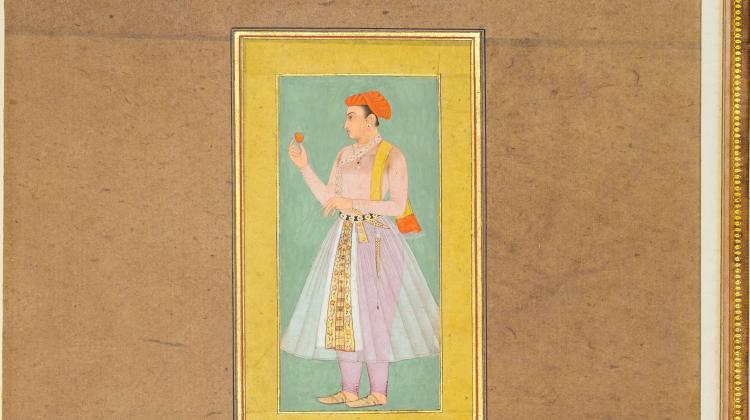
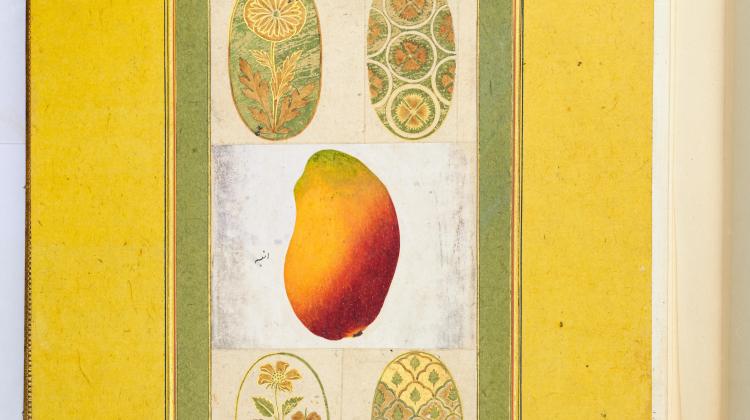
Taste has two meanings: to taste, as in to discern the flavor of a fruit, a vegetable, or fine dish, and to have taste, to make selections or create distinctions among what you eat, look at, or buy. The first meaning is physiological, the second aesthetic, but taste’s semantic overlap in English and in other languages and cultures, like rasa in Hindi or zauq in Persian, establishes a connection. This talk will consider these two parts of taste—as food and as art—and how they intersected in a world sliding between cultivation and rapaciousness in northern India in the eighteenth and nineteenth centuries. In this period, the British East India Company asserted its power across Mughal territories. The Mughals and the British recognized economic and aesthetic value in the natural world, like the mango’s sweet juice and its form as a design. They identified edible plants as lucrative exports, daily provisions, sustenance for armies, sources of tax income from farmland, and sites of pleasure and entertainment. By focusing on food, I hope to reorient our understanding of the arts made in this era. Artists, administrators, gardeners, and cooks negotiated their aesthetic, botanic, culinary, and commercial interests to transform taste. 

Holly Shaffer is Associate Professor of History of Art and Architecture at Brown University. Her work focuses on British and South Asian art and their violent and creative intersections through empire. She is the author of Grafted Arts: Art Making and Taking in the Struggle for Western India, 1760–1910 (2022), and co-curator of Painters, Ports, and Profits: Artists and the East India Company, 1750–1850, and co-editor of its catalogue (2026). She is currently working on a book on food, art, and the cultivation of taste in the era of the East India Company.