




Larry Sass
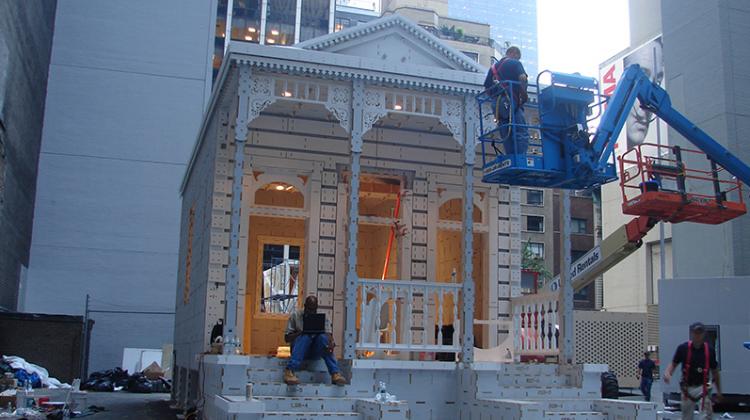
Larry Sass, from Cambridge Massachusetts, is an MIT professor and a pioneer of home delivery through digital design fabrication. He believes that every building of any size should be manufactured using digital methods. He expresses his desire to deliver affordable homes with computers and machines through writing and public art exhibitions, using computer modeling, 3D Printing, and digital fabrication. Most notably, his work express through digital fabrication was on exhibit at MoMA in 2008.
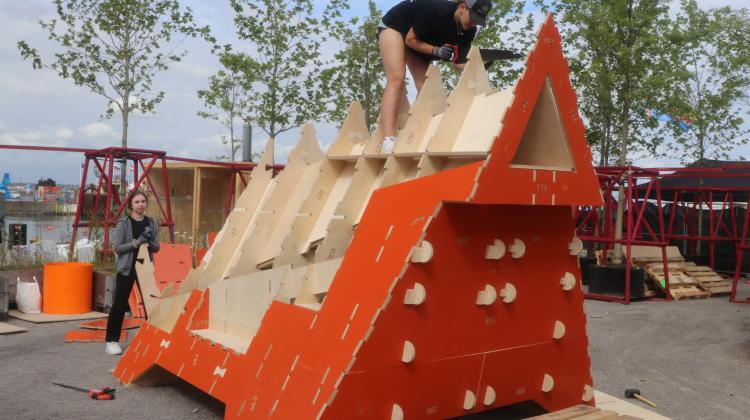
He is currently working on a constructive language of building construction across scales. Since 2005, Larry has developed and published innovative snap-fit construction systems adopted by commercial home builders throughout the US and the UK. Although most of his research is technical, he loves applying digital design techniques to the historical study of early forms of African American construction on plantations and farms.
Larry has more than a decade of experience in architecture practices in Boston and New York, and over three decades of research and teaching at MIT. He was also one of a few MIT professors who helped develop a new university startup, the Singapore University of Technology and Design, from 2010 to 2020.
Larry earned his B.Arch at Pratt Institute in New York and a PhD and a master’s at MIT. He was awarded MIT’s highest teaching award, the MacVicar Faculty Fellowship, in 2022 and now wants to share his research experience with you and offer ways to make graduate school a home for you.