


Ray Wang

SMEECS + SMArchS Urbanism

Ray is a Creative Technologist and Architect based at MIT. He is a dual-degree candidate in SMEECS & SMArchS Urbanism (‘26) and works at the intersection of design and technology. Currently, he serves as a Researcher in the Computer Science and Artificial Intelligence Laboratory's (CSAIL) HCI Engineering Group and Figma's Campus Leader.

Before joining MIT, he was a registered architect from Taiwan. With years of professional experience, he has worked on projects throughout Kyoto, Taipei, Singapore, and Boston. He holds a B.Arch from National Cheng Kung University, where he received the Thesis Award with Distinction in 2019. His research at MIT, focusing on sustainable architecture and urbanism, is currently supported by the Taiwanese government.

Since 2019, Ray has established WZR, a multi-disciplinary design practice. He has been actively involved in a number of international exhibitions and events, including the Museum of Modern Art (MoMA), MIT Media Lab, MIT Wiesner Art Gallery, Politecnico di Milano, and Taiwan Contemporary Culture Lab (C-Lab).
Projects
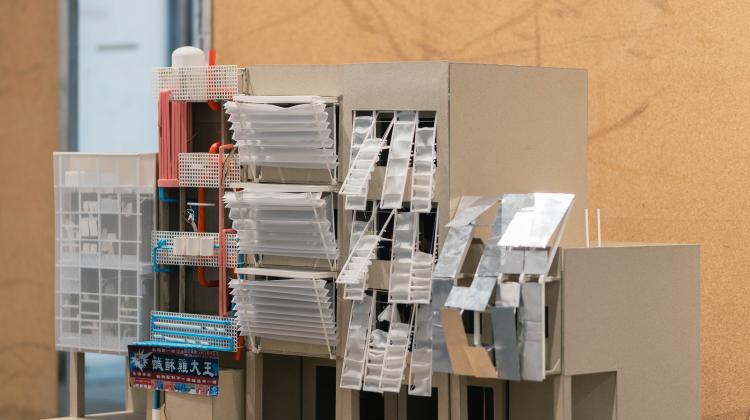
Thermal Tectonics is a collaborative research project alongside a two-week intensive studio that explores one of the most fundamental architectural questions: how can buildings mediate between interior comfort and a rapidly warming, humid climate in dense urban environments? In Tainan, inside and outside are not separated by walls alone. Through decades of bottom-up adaptations, these thresholds have become thermal, social, and cultural interfaces. As heat and energy pressures intensify, everyday spaces like balconies, façades, and informal additions emerge as key arenas for innovation.
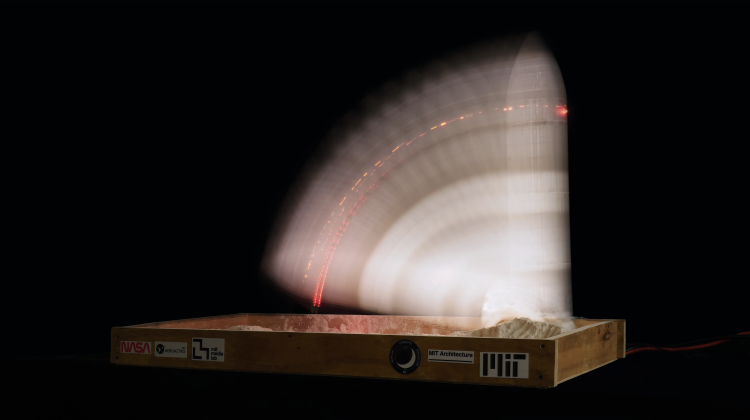
MIT’s Rocket Horizon project is leading a new approach to creating lunar habitats. This collaboration brings together MIT’s Department of Architecture, Media Lab, Aero Astro, and Sloan School of Management, working together to adapt SpaceX’s Starship Human Landing System (HLS) into a reusable and sustainable living space on the Moon.
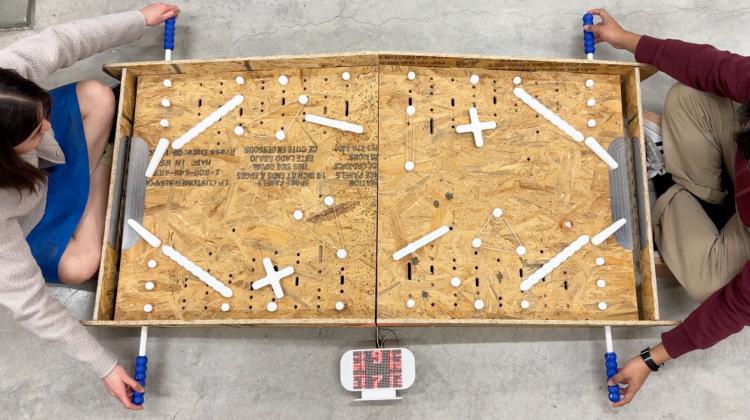
A collective working archive on fabrications, fast prototyping, and human-computer interactions projects. This website showcases the journey through How to Make (Almost) Anything, a hands-on course at MIT’s Center for Bits and Atoms that explores the fundamentals of digital fabrication.
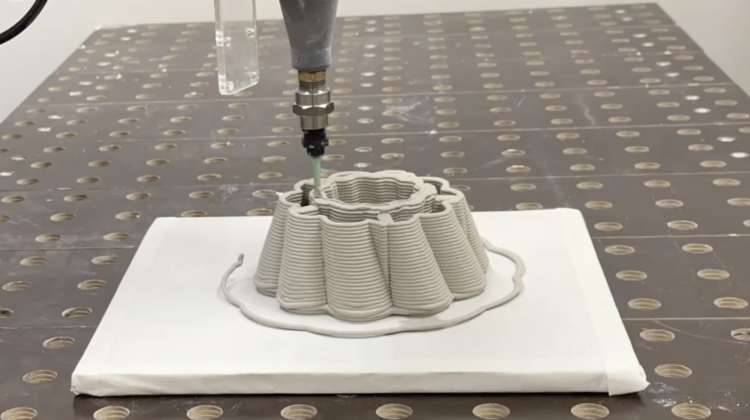
Earth House reimagines housing through soil printing, environmental analytics, and microclimate design. Using CFD simulations, clay prototypes, and full-scale units, the project demonstrates that geometry and mass can regulate comfort in mechanical systems. Printable modules combine the soil’s thermal inertia with engineered cavities for insulation adaptable to site and resident needs. Applied from desert housing to fire recovery, Earth House is a low-carbon, rapidly deployable toolkit for resilient communities, framing climate adaptation as both technical performance and cultural imagination.
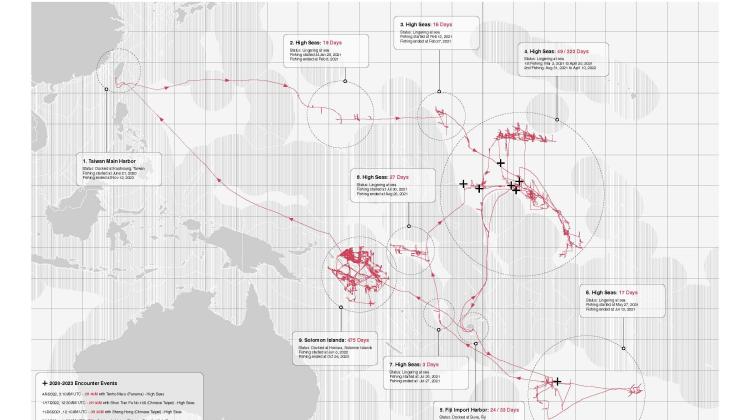
Following the Tuna, the research aims to reveal various scales and steps in transnational extraction operations. Each action represents a different scale of interest transformation. This liquid urbanism examines the dynamic urban movement entirely predicated upon global extraction's political and economic interests, often overlooking fundamental contexts such as culture, history, geography, ecology, and humanity. The project was presented at MoMA, published on KoozArch and MIT Silt Magazine.
"The Parthenon" was constructed at the former Air Force Command Headquarters in Taipei (now Taiwan Contemporary Culture Lab). A participatory art program that invited community members to self-construct a public pavilion using affordable, low-carbon, circular assemblies. Its recyclable and open-joint design allows more than 90% of the materials to be successfully disassembled and reused after the exhibition ends.
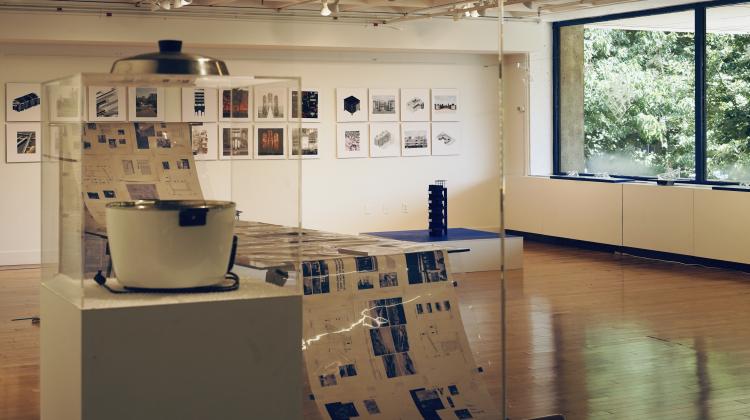
Damp Skin is a collaborative project exploring the impact of East Asia’s climate on post-modernized cities, focusing on memories, body perception, and everyday cultural phenomena affected by humidity and heat. This exhibition, The Porous Urbanity and Individual, presents three works by MIT Taiwanese architects and design researchers. These works include a living archive and historical research of Taiwanese domesticity as it contends with dampness within urban housing, a sculpture series capturing emotional imprints of exhaling skin within Taiwan and Hong Kong’s urban environments, and digital representations of urban life’s permeable, living skin.
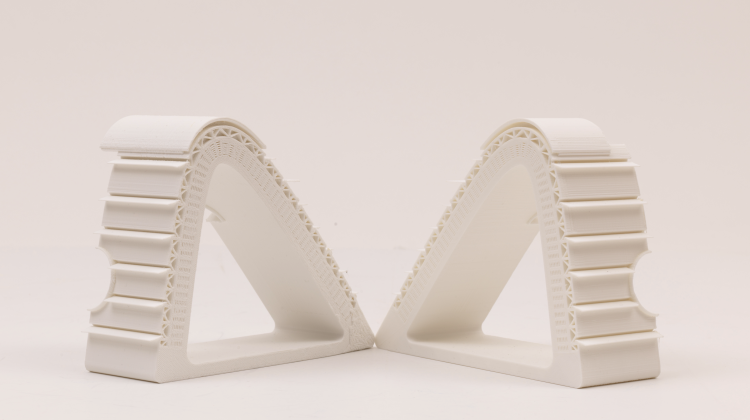
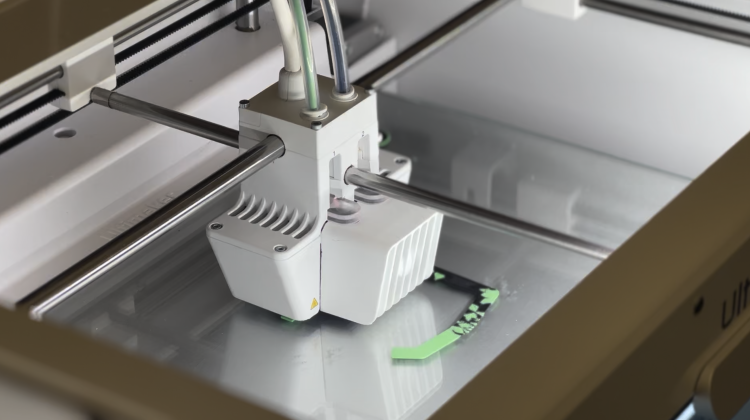
SustainaPrint is a system for integrating eco-friendly filaments into 3D printing without compromising structural integrity. While biodegradable and recycled 3D printing filaments offer environmental benefits, there is a trade-off in using them as they may suffer from degraded or unpredictable mechanical properties, which can limit their use in load-bearing applications. SustainaPrint addresses this by strategically assigning eco-friendly and standard filaments to different regions of a multi-material print—reinforcing the areas that are most likely to break with stronger material while maximizing the use of sustainable filament elsewhere.
How can we shape the thermal enclosures with our everyday objects? The project focuses on designing a 3D-printed clay mug that passively maintains liquids cold with minimal material use. The mug serves as a small-scale analogy of a building enclosure: a wall with given insulation and heat capacity properties that wraps around a volume of fluid (in this case, water) and protects it from external conditions.
Generative AI in Design
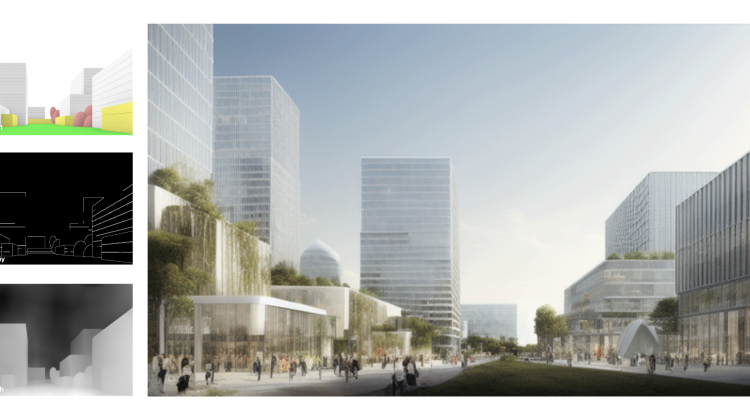
The proposed workflow with the diffusion model integrates dataset training and Generative AI at its core, leading to a more efficient and productive design workflow. One of the most intriguing aspects of this integration is the concept of a cross-scale design process. This method leverages AI to create designs that are not only visually stunning but also highly functional at various scales - from interior and architecture to large-scale urban landscapes.