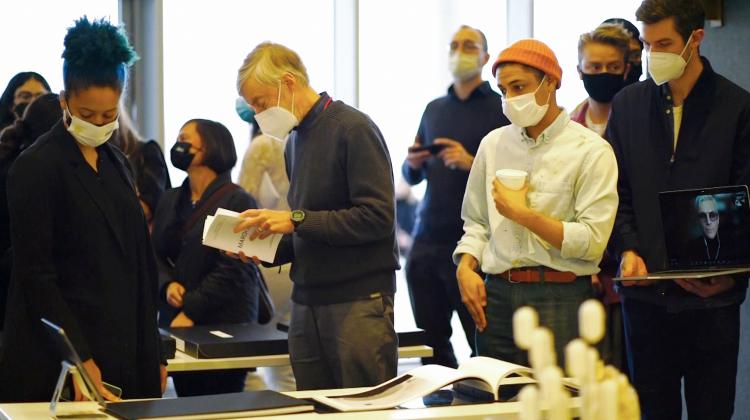
Published May 2, 2022Spring 2022 Final Review Schedule Above images Fall 2021 MArch Thesis Reviews. Credit: Daisy Zhang. News Aga Khan Program Architecture + Urbanism Art Culture + Technology Building Technology Computation History Theory + Criticism Undergraduates
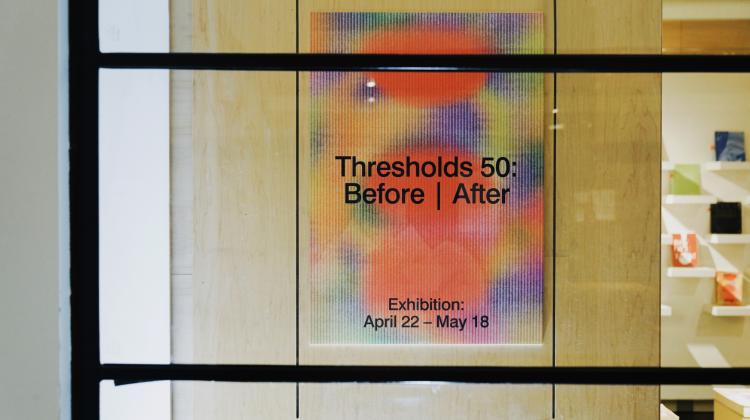
Published April 30, 2022Thresholds 50: The Exhibition On view April 22-May 18, 2022 MIT Keller Gallery 7-408 News Aga Khan Program Architecture + Urbanism History Theory + Criticism
Published April 15, 2022Looking forward to forecast the risks of a changing climate To better inform local policy in the face of changing weather extremes, MIT researchers seek to advance the modeling of long-term weather risks. News Architecture + Urbanism
Virtual Preview of Spring 2021 Graduate Design Studios February 11, 2021 - 9:30am Come find out more about the graduate design studios. Event Public Lecture Series
Marcos Cereto, Angelo Bucci, Xhulio Binjaku, Cristina Parreño NAMA and the architecture of the Amazon February 25, 2021 - 6:00pm The NAMA - Núcleo Arquitetura Moderna na Amazônia was conceived by Marcos Cereto and brings together architects, researchers Event Architecture + Urbanism Public Lecture Series
Sheriece Perry, Virgil Abloh, Nóra Al Haider, and Oana Stănescu Blueprints of Justice March 18, 2021 - 6:00pm In 2020 the justice system, predicated on conservatism and adversity to innovation, was forced into change. Event Architecture + Urbanism Public Lecture Series
Catie Newell, Virginia San Fratello, Brandon Clifford, and Zain Karsan Happening Now April 15, 2021 - 6:00pm The act of making is a powerful method for thinking and designing. Event Architecture + Urbanism Public Lecture Series
Sean Connelly, Sanford Kwinter, Chris Leong, and Dominic Leong Hawai'i Non-Linear: A conversation with Chris Leong, Dominic Leong, Sean Connelly and Sanford Kwinter May 20, 2021 - 6:00pm This talk aims to reintroduce the concept of Hawai‘i to the United States, technically and spiritually, as part of an ongoing Event Public Lecture Series
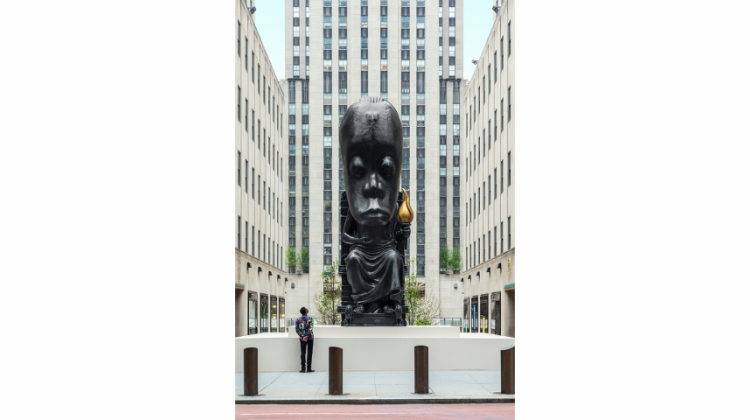
Sanford Biggers Oracular September 16, 2021 - 6:00pm Sanford Biggers’ work is an interplay of narrative, perspective, and history that speaks to current social, political, and Event Public Lecture Series
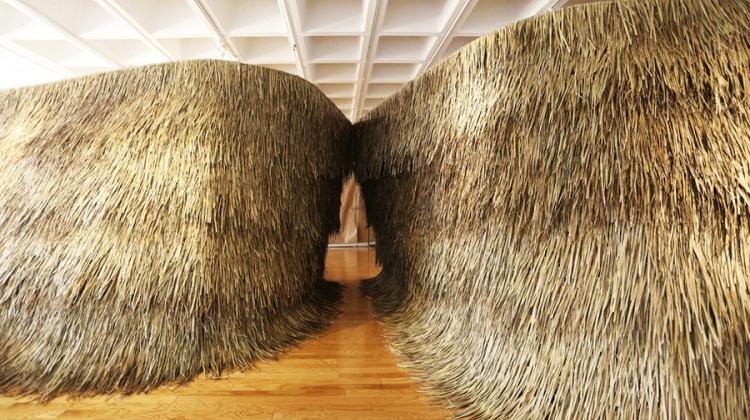
Published April 10, 2022Architecture isn’t just for humans anymore In the remote desert of Nevada, an MIT team designs shelter for all species. News Architecture + Urbanism